
Unleashing longevity in animal health
Dr. Kevin Esch, EVP and President of Research & Development at Zoetis, explores how science-driven innovation can extend pet healthspan and strengthen livestock durability through predictive, preventive care that improves outcomes for veterinarians, producers, and the animals they serve.
This audio recording was enabled by AI

When I think about what “longevity” means in animal health, I remember time spent with my family’s pets, the chronic conditions that arose as they aged, and their quality of life over time. Pet and livestock owners alike are looking for options that provide both health and longevity for the animals under their dedicated care.
For companion animals, longevity means extending healthspan for more years with better quality of life for the pets we love, which can be a result of regular preventative care including protecting against common parasites and diseases. For livestock, I think about operational longevity and healthy animal populations.
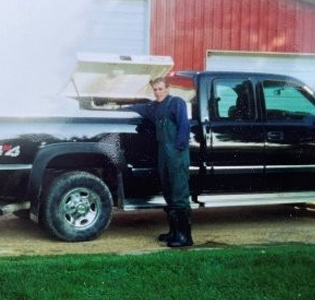
I grew up in a rural community where livestock farming was a way of life. Later, as a young, mixed-practice veterinarian and practice owner, and then as a board-certified veterinary pathologist, I experienced the full continuum of animal care. From day-to-day realities in the clinic and on farm to the underlying biology that explains why disease happens and how we can change outcomes. That perspective has shaped my role as a scientist and how I view the next era in animal health.
Pet owners want more quality time with their cats and dogs, and producers need healthier, more resilient herds and operations. At Zoetis, we aim to drive longevity by moving beyond simply treating disease to realizing the full potential of animals to live longer, healthier lives with the people who love them, strengthen communities, and sustain our world with nutritious meat, fish, milk, poultry and eggs.
The opportunities are vast, and customers are increasingly investing in solutions that transform care. Through innovation, we can start to define the diseases we decide are no longer “inevitable,” and the conditions where we commit to discovering treatments that do not exist today.
A bold vision: longevity for pets and producers
Increasing pet lifespans fuel the need for more effective chronic disease treatments
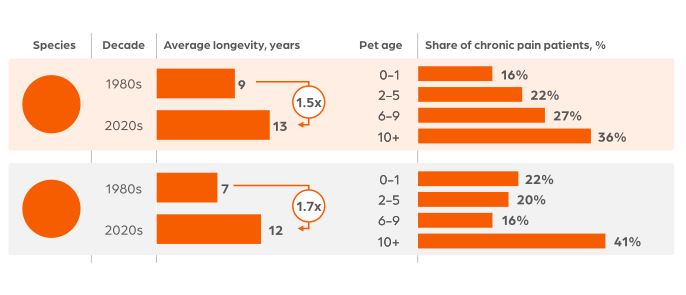
As pets live longer – on average 1.5 to 1.7 times longer over the past 40 years1 – it’s progress worth celebrating, but it also changes the care landscape. Longer lives increase demand for chronic and specialized care, and today’s pet owners, especially Gen Z and Millennials, are embracing the responsibilities of caring for their aging pets. This deeper human-animal bond is driving demand for prevention, early detection, and targeted therapies. From oncology and renal health to cardiology, obesity, and anxiety, the unmet needs are significant, and the opportunity for impact is even greater.
Producers rely on healthier, more resilient herds and flocks that sustain peak productivity, predictability, and profitability, so they can protect what they’ve built and pass it on to the next generation. As the global population increases, the demand for animal protein is rising sharply and is expected to increase 50-70% by 2050.2
Global animal protein consumption & world population growth
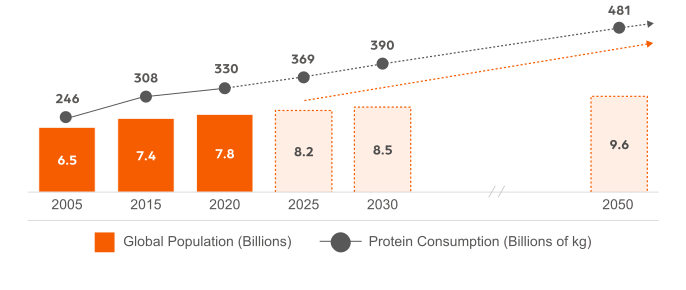
Producers are adopting technology and data quickly, but the realities they face of doing more with less signal that innovation for vaccines, therapies, genetics, and data supporting management decisions is essential to deliver sustainable, predictable performance across cycles.
We’re facing a decisive industry shift from reactive treatment to proactive, preventive care, enabled by advances in precision medicine, AI-powered diagnostics, genetics, and digital health platforms. The result is a new “longevity loop” where we predict and prevent, detect early, treat effectively when needed, and help animals thrive even more. Innovation is the engine of longevity – connecting discovery to delivery so breakthroughs reach animals at scale.
Innovation as a catalyst for longevity
The next era of animal health will be defined by step-change advances that raise standards of care around the world. At Zoetis, we are focused on the biggest areas of unmet medical needs.
As pets live longer, we’re seeing growing demand for advanced and specialized therapies. Despite progress across the industry, major gaps remain:
- Cancer is still the leading cause of death in dogs and a major health challenge in cats, with many treatments still limited to specialty settings.3
- Then there’s kidney disease; which is difficult to detect in time for meaningful intervention. By age 15, 80% of cats are expected to have kidney disease.4 Meanwhile, chronic kidney disease affects up to 10% of all elderly dogs.5
- Cardiovascular disease is another underserved area – estimated to affect about 6% of the total dog population (with 4% in early, treatable stages) with few effective options currently available.6
- Obesity affects nearly 60% of dogs and cats.6
- Anxiety impacts over 70% of dogs. Like obesity, anxiety in dogs is a condition with few effective, scalable treatments today.6
Addressing these complex conditions requires deep scientific understanding, validated biological targets, strategic partnerships and a robust pipeline.
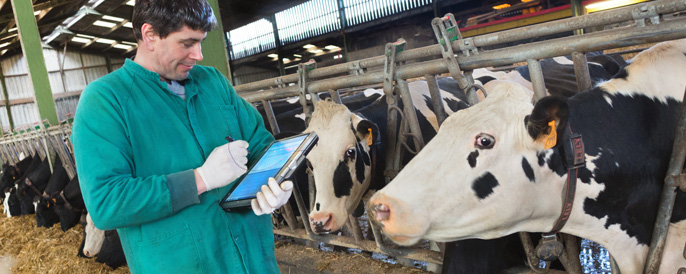
The opportunity for innovation to extend longevity and herd durability is just as great in livestock. As a former livestock veterinarian, the goal is fewer disease events, healthy productivity, steadier throughput, and lower volatility for livestock operations. We’re already witnessing remarkable advances in applying genetic testing data to management decisions in beef and dairy operations as well as seeing producers value prevention-focused solutions for cattle, poultry, swine and aquaculture.
- Consider that poultry producers increasingly invest in vaccines to protect their flocks and food security at scale, while lessening their need to treat disease with antibiotics.7
- Bovine Respiratory Disease (BRD) costs the United States beef industry alone nearly $1 billion each year due to calf and production losses and increased treatment expenses.8 The ability to evaluate and select for the genetics that influence calf BRD health and survival, coupled with newer vaccines that can reduce the need to treat with antibiotics, can greatly influence herd productivity and lead to meaningful economic impacts across the value chain.
- Dairy producers incorporating genomic data insights into herd management strategies are building herds that are not only more productive, but also more resilient and aligned with both economic and environmental goals.
From innovation to impact
For Zoetis, everything begins with our customers’ unmet medical needs. What sets us apart is our science-to-scale engine that connects discovery to delivery, ensuring innovation we invest in translates into products that reach the animals that need them. By integrating world-class R&D, manufacturing excellence, and commercial execution, Zoetis uniquely turns innovation into impact on a global scale.
Science-to-scale engine
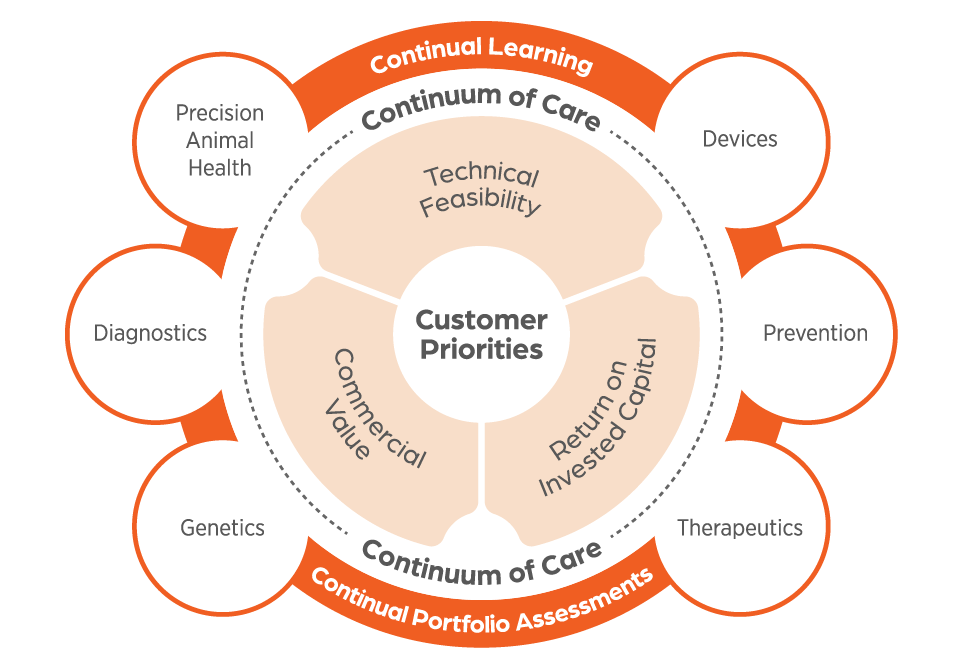
We will continue to build on our dermatology leadership with long-acting technology, advance new diagnostics platforms, and explore entirely new categories of care to address large, unmet medical needs, such as:
- Chronic kidney disease, where we are exploring therapeutics intended to slow kidney disease progression, along with next-generation diagnostic tests using biomarkers to detect decreased kidney function earlier.
- Oncology, including the potential for targeted and palliation therapies, and diagnostics for earlier insights to inform treatments.
- Cardiology, where we aim to detect disease earlier and slow its progression.
- Obesity and anxiety, both prevalent in pets and longer-term opportunities to improve outcomes for veterinarians and pet owners.
Each of these programs is grounded in a strong commitment to understand disease biology and validate targets, giving us high confidence in scientific feasibility and impact.
In livestock, we are working toward several key vaccine franchise expansions across poultry, swine, and aquaculture, strengthening prevention options for these protein-producers.
Additionally, meaningful, actionable data is invaluable to livestock producers. Our goal is to ensure they not only have access to pertinent data, but innovative ways to transform data into insights and predictions to help them manage their operations more efficiently. Whether that’s through the genetic testing we offer for cattle producers or building analytics platforms, we are innovating to enable livestock producers’ faster, more informed decisions for improved health and productivity.
Looking ahead
The innovations we are developing and deploying today are laying the critical foundation for tomorrow’s breakthroughs across both companion and livestock health. These advances are reshaping how we predict, prevent, detect, and treat disease.
By advancing pet healthspan and livestock durability through science-driven innovation, Zoetis is pioneering the future of animal health to be impactful and resilient.
Written by Dr. Kevin Esch, EVP and President of Research & Development
Published on October 6, 2026
All trademarks are the property of Zoetis Services LLC or a related company or a licensor unless otherwise noted. © 2026 Zoetis Services LLC. All rights reserved.
References
1 How can we achieve more accurate reporting of average dog lifespan? | Journal of the American Veterinary Medical Association Volume 262 Issue 9 (2024), PubMed: “Life expectancy tables for dogs and cats derived from clinical data”, AVMA Journal: “Study of the feline and canine populations in the Greater Las Vegas area”, PubMed: “Life tables of annual life expectancy and risk factors for mortality in cats in the U.K.”, U.S. Veterinary Teaching Hospitals, U.S. Banfield Pet Hospitals, U.S. Veterinary Teaching Hospital, U.S. Banfield Pet Hospitals, Kynetec, U.S. June 2025 MAT.
2 Vetnosis Fx Neutral Growth and internal estimates, OECD/FAO (2025), “OECD-FAO Agricultural Outlook 2025-2034” UN data and projections, data compiled from multiple sources by World Bank as of 7/2025
3 Pet Owner Resources | Veterinary Cancer Society
4 Prevalence and classification of chronic kidney disease in cats randomly selected from four age groups and in cats recruited for degenerative joint disease studies | PubMed
5 Chronic Kidney Disease (CKD) in Dogs and Cats | The Animal Medical Center
6 POP survey 2024; Kx Advisors Market Research 2024; Pet Obesity Management Market Opportunity, Growth Drivers, Industry Trend Analysis, and Forecast 2025-2034, Salonen, M., Sulkama, S., Mikkola, S. et al. Prevalence, comorbidity, and breed differences in canine anxiety in 13,700 Finnish pet dogs. Sci Rep 10, 2962 (2020), Veterinary Cancer Society and AVMA
7 Digital resource center for poultry vaccine best practices | Wattagnet
8 A Comprehensive Review: Bovine Respiratory Disease | PubMed